Björn Sennbrink

Hi, I’m Björn.

I make AI produce content that is predictable, repeatable and actually useful.

AI Content Lead by day, vibe coder by curiosity, and the creator of ALTRUIXM. This is my small corner of the web.

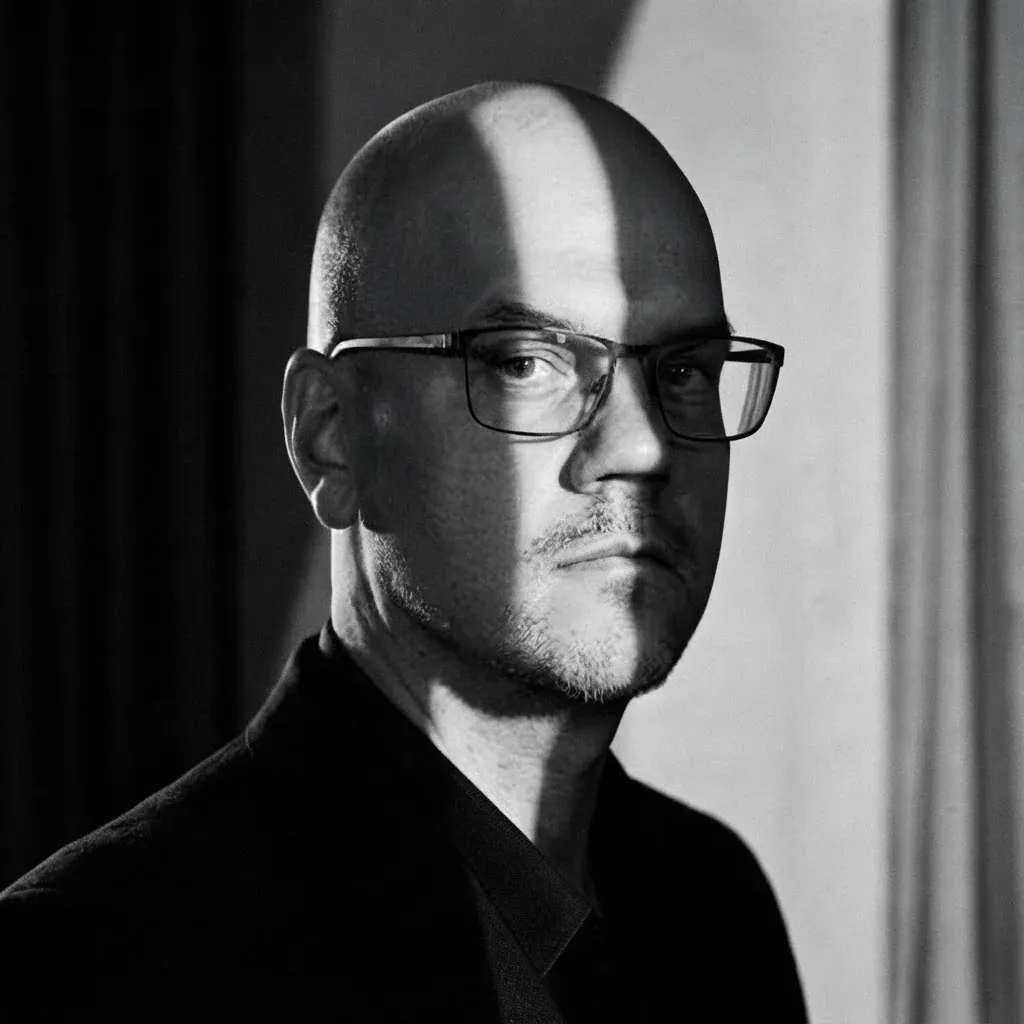
Black-and-white portrait of Björn Sennbrink in glasses and a dark jacket, half his face in shadow.

What I do

My project

ALTRUIXM

A macOS desktop app that analyses existing content, finds the gaps, and writes new content from those findings — with a deliberate human checkpoint in between. AI prepares the decision; a person makes it.

A vibe-coding timeline

Two tracks run through this story: what the app became, and what I learned building it without a formal development background.

  1. March 2026

    Two prototypes

    The app

    Development began on a Claude Pro license with two separate prototypes. One analysed existing content: it scraped, embedded, clustered, and found gaps. The other wrote new content from those findings.

    What I learned

    You can get surprisingly far by describing outcomes instead of writing code. You also build up a lot of undocumented decisions very quickly.

  2. Spring 2026

    Merging into one app

    The app

    The two prototypes became a single macOS desktop app with two processes and a deliberate human checkpoint between analysis and writing.

    What I learned

    The checkpoint became the core design principle. AI should prepare the decision, and a person should make it.

  3. Alongside

    Side projects

    The app

    Experiments in video generation and in orchestrating several tools into one content pipeline.

    What I learned

    Roughly half the bugs only appeared in the packaged app, never in development mode. Since then, every build phase gets tested both ways.

  4. July 2026

    Version control arrives

    The app

    The project moved under git, and a run of releases followed: a Mac-native interface, a model picker, per-project style guides, and support for skill files.

    What I learned

    Version control is not bureaucracy. It is how a solo builder remembers why things changed.

  5. July 2026

    The inbreeding problem

    The app

    A release stopped AI-generated drafts from feeding back into the source corpus.

    What I learned

    If AI writes the whole content chain over time, output converges on earlier AI output. Voice rules fix tone but not this drift in substance. I wrote about it on LinkedIn.

  6. August 2026

    From prototype to product

    The app

    The earlier prototypes were retired. ALTRUIXM became one standalone product with versioned releases, used daily on my own work.

    What I learned

    Using your own tool every day is the most honest test there is.

  7. Late summer 2026

    Rethinking the maths

    The app

    Gap detection was redesigned, not just retuned.

    What I learned

    Similarity measures what a text is about, not what it actually says. Checking whether something is already covered is a different job from suggesting new angles, so the two need different methods.

  8. October 2026

    Handing over the keys

    The app

    I gave Claude Code more autonomy over development. The app moved to local-first storage and gained its own local tool interface (MCP).

    What I learned

    The bottleneck had shifted from writing code to deciding. Delegating the build loop freed me to focus on product direction.